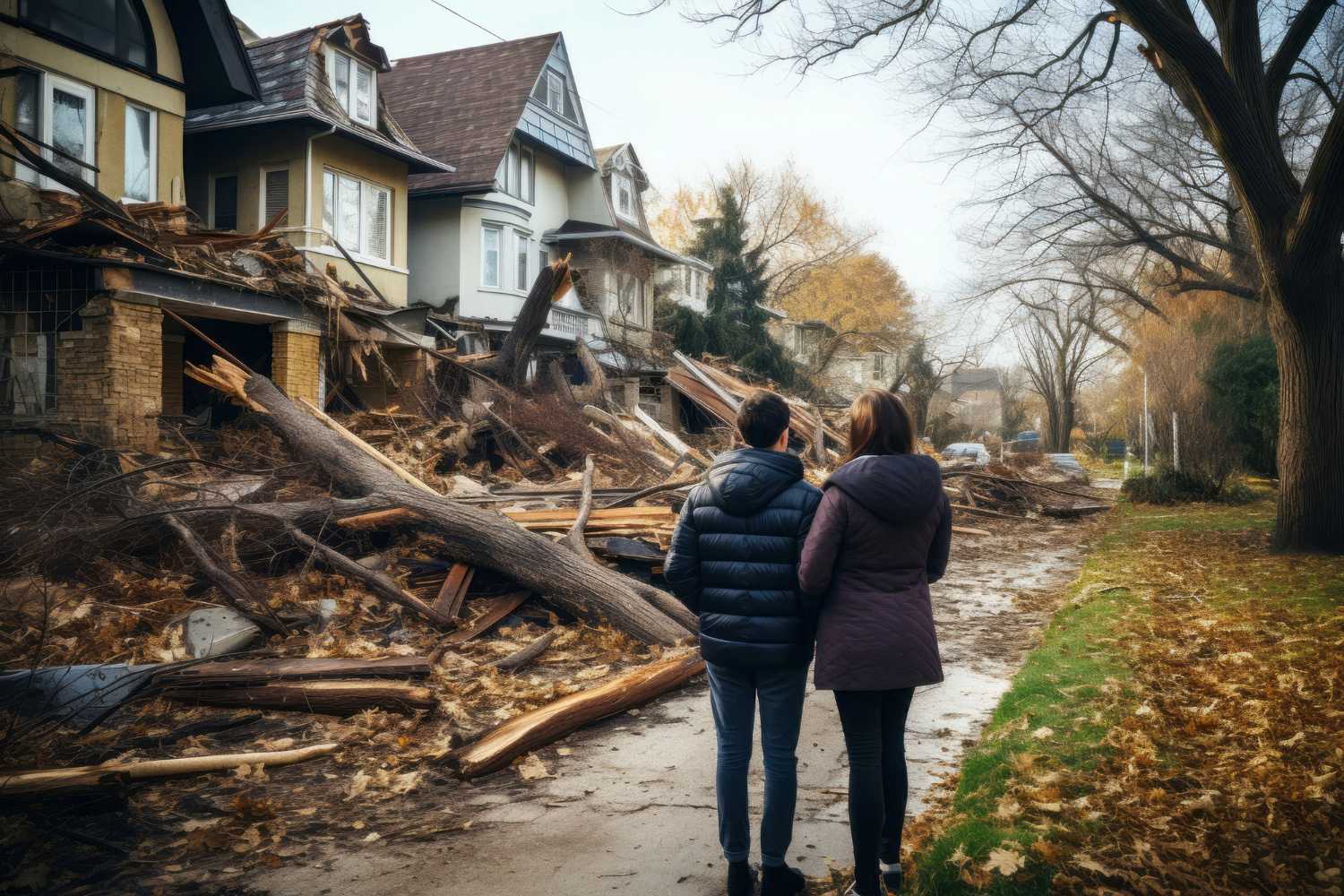
Natural disasters can cause significant damage to your home, from severe storms and fallen trees to flooding and wildfires. While you cannot control the weather, understanding your home insurance coverage can help you prepare financially for unexpected events. Knowing what your policy covers, what it excludes and where additional protection may be needed can make a real difference when your home faces damage.
Standard homeowners insurance in the US generally covers certain types of sudden damage caused by events such as fire, lightning, windstorms and hail, subject to policy terms. However, coverage varies, and some disasters require separate policies or endorsements. Review your policy carefully so you know which risks are covered before a disaster occurs.
Many homeowners assume their insurance automatically covers flooding, but standard homeowners policies generally exclude damage caused by external flooding. Separate flood insurance may be necessary to protect your home against rising water from heavy rainfall, overflowing rivers or storm surges. Certain types of sudden, accidental water damage inside the home may be covered under your existing policy, depending on the circumstances.
Even when a disaster is covered, your policy limits and deductible determine how much financial support you may receive. Some policies also have separate deductibles for hurricanes or wind and hail damage. Review whether your dwelling coverage reflects the cost of rebuilding your home, including labor and materials, rather than simply its market value.
Natural disasters can damage furniture, electronics, clothing and other personal belongings. Homeowners insurance may cover these items when the damage results from an insured event, subject to limits and exclusions. Your policy may also cover additional living expenses if a covered loss makes your home temporarily uninhabitable, helping pay for eligible costs such as temporary accommodation and meals.
Preventive measures can help reduce potential damage and make recovery easier. Clean gutters, secure outdoor furniture, maintain your roof and consider storm shutters or other appropriate protective features. Keep an updated home inventory with photographs, receipts and records of valuable belongings so you have useful documentation if you need to file a claim.
Natural disasters are unpredictable, but your preparation does not have to be. Review your home insurance annually, understand exclusions and deductibles, and consider additional coverage for risks your standard policy may not address. Knowing where you stand before a disaster happens can help you protect your home, belongings and financial future.